
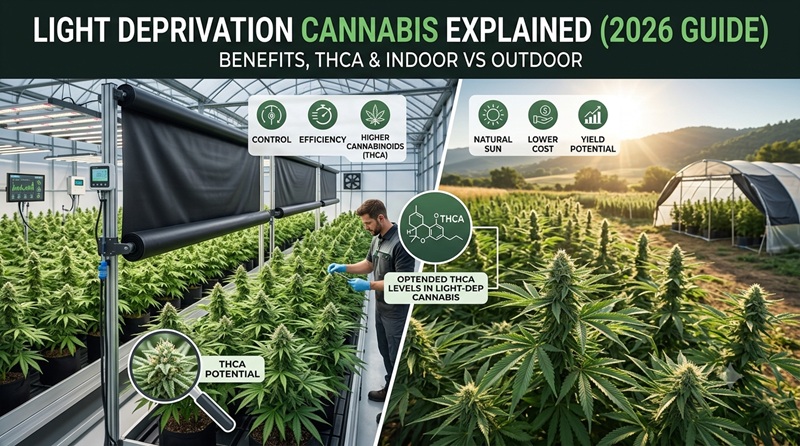
Light deprivation cannabis, often called light dep weed, has become very popular because it combines the advantages of natural sunlight with a greater level of cultivation control. The result is a growing method capable of producing high-quality flower without the massive costs associated with indoor cultivation.
In this guide, we will explain how light dep cannabis is grown, its benefits, how it compares to other cultivation methods, and whether it is worth buying in 2026. If you’re comparing options, our light dep vs. indoor THCA breakdown looks at the two methods side by side.
Recommended Products
-
Sale!
Delta-8 Pomegranate Gummies 30mg
or subscribe to save up to 30%
$69.95$59.95 View Product This product has multiple variants. The options may be chosen on the product page -
Sale!
Delta-9 Pomegranate Gummies 20mg
or subscribe to save up to 30%
$69.95$59.95 View Product This product has multiple variants. The options may be chosen on the product page -
Sale!
CBD Pomegranate Gummies 30mg
or subscribe to save up to 30%
$69.95$59.95 View Product This product has multiple variants. The options may be chosen on the product page
What is Light Deprivation Cannabis?
Cannabis grown in a greenhouse where growers intentionally control the amount of light plants receive each day is known as light deprivation cannabis. The technique is designed to make changes in the natural flowering cycle of the cannabis plant.
Cannabis is a photoperiod plant, and depends on changing daylight hours to determine when it should stop vegetative growth and begin producing flowers. Under natural conditions, cannabis typically starts flowering as summer ends and daylight hours become shorter.
However, instead of waiting for seasonal changes, in light deprivation technique, growers use blackout tarps, curtains, or automated greenhouse systems to create artificial darkness. By reducing daily light exposure to approximately 12 hours, growers can trigger flowering weeks or even months earlier than nature would allow.
How to Use the Light Deprivation Technique?
While light deprivation technique looks simple, where cannabis farmers use blackout tarps or automated greenhouse covers to reduce the amount of light cannabis plants receive, the reality is different. Farmers need proper planning to produce flower that is consistent, and potent. Here are simple steps that must be followed to use light dep method:
- Set Up a Greenhouse: Start with setting up a greenhouse structure that can be fully covered with blackout tarps or light-blocking curtains.
- Grow Plants During the Vegetative Stage: Allow plants to grow naturally under sunlight until they reach the desired size.
- Implement a 12/12 Light Schedule: Once ready to flower, provide approximately 12 hours of light and 12 hours of uninterrupted darkness every day.
- Use Blackout Tarps Consistently: Cover the greenhouse at the same time daily to avoid stressing plants or disrupting flowering.
- Maintain Proper Ventilation: Ensure adequate airflow during blackout periods to prevent excess heat, humidity, mold, and mildew.
- Monitor for Light Leaks: Inspect the greenhouse regularly and eliminate any light leaks that could interfere with the flowering cycle.
- Adjust Environmental Conditions: Keep temperature, humidity, and irrigation levels within optimal ranges throughout the flowering stage.
- Harvest at Peak Maturity: Monitor trichome development and harvest when flowers reach their ideal cannabinoid and terpene potential.
Benefits of Light Deprivation Technique?
Light dep technique has been used by farmers for decades now, as it offers a wide range of benefits. Here are some of them:
2+ Harvests a Year: One of the biggest reasons why farmers choose to light deprivation cultivation method is its ability to produce multiple harvests in a year. With this method, farmers can trigger flowering earlier and finish crops sooner. As a result, many operations can complete two, three, or even four harvests in a single year depending on local climate conditions.
Better Bud Quality: Greenhouses provide environmental protection that traditional outdoor fields cannot match. Plants are protected from excessive wind, heavy rainfall, and certain environmental stresses. Additionally, cannabis farmers have more control over irrigation, nutrient delivery, and crop management. As a result, light dep cannabis often develops denser flowers, better trichome production, and improved visual appeal compared to standard outdoor flower.
Take Advantage of Budding Under July Sunlight: Natural sunlight is one of the greatest advantages of light deprivation cultivation. Summer sunlight (particularly July) delivers intense light energy that can benefit plants while still operating under controlled flowering schedules.
Less Chances of Catastrophic Failure: Unexpected storms, prolonged rain, high winds, early frost, and other environmental challenges can damage entire harvests. But, greenhouses provide protection from all natural catastrophes. This added security is one reason commercial producers continue investing in greenhouse infrastructure.
Better Value for Customers: Light dep cannabis relies heavily on sunlight, reducing expenses related to indoor cultivation. The result is generally a product that delivers strong potency, appealing terpene profiles, and attractive flower at a lower retail price. Many consumers find that light dep flower provides one of the best overall value propositions in the cannabis market.
What Does Light Dep Cannabis Look Like?
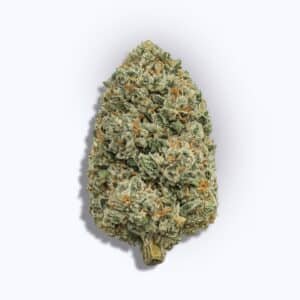
Generally people believe that light dep cannabis looks inferior to indoor flower. However, that is not the truth. With modern cultivation methods, farmers have significantly improved the appearance and overall quality of light dep cannabis. If you want to see this quality for yourself, you can browse our THCA flower and check current lab results before buying.
- Bud Structure: Light dep cannabis typically develops medium-to-dense bud structures. The exact appearance depends heavily on genetics, environmental conditions, and cultivation practices. Well-grown light dep flower should still feel substantial and properly developed.
- Trichome Coverage: Trichomes are the resin glands responsible for producing cannabinoids and terpenes. High-quality light dep cannabis can develop impressive trichome coverage, especially when grown under optimal conditions.
- Color: Light dep cannabis often displays vibrant coloration. Depending on the strain, flowers may exhibit various shades of green, purple, orange, or even deep blue hues.
- Aroma: One of the most appreciated characteristics of light dep flower is its aroma. Natural sunlight and healthy plant development can contribute to strong terpene expression. Many consumers report rich scents ranging from citrus and fruit to fuel, pine, earth, and spice.
Typical characteristics of premium light dep cannabis are:
- Strong aroma
- Visible trichome coverage
- Good flower density
- Well-preserved coloration
- Sticky texture
- Healthy moisture content
- Strong terpene expression
Difference Between Light Dep, Indoor, and Outdoor Cannabis
Although all three cultivation methods produce cannabis flower, the growing environment has a significant impact on quality, consistency, cost, and appearance. Here is the general breakdown for your understanding:
| Feature | Light Dep Cannabis | Indoor Cannabis | Outdoor Cannabis |
| Growing Environment | Greenhouse | Indoor Facility | Open Field |
| Light Source | Natural Sunlight + Light Control | Artificial Lighting | Natural Sunlight |
| Harvest Frequency | 2–4 Harvests Per Year | Year-Round | Usually One Harvest Per Year |
| Production Cost | Moderate | High | Low |
| Bud Density | Good to Excellent | Excellent | Moderate |
| Environmental Control | Moderate | Extensive | Limited |
| Terpene Development | Strong | Strong | Varies |
| Consistency | Good | Excellent | Variable |
| Sustainability | High | Lower | High |
| Retail Price | Moderate | Premium | Lowest |
Tips for Success at Light Deprivation Technique:
To grow light dep cannabis successfully, you need a lot more than simply covering a greenhouse with blackout tarps. Here are a few tips to consider:
Choose the Right Strain: When selecting the cannabis strain, look for strong photoperiod response, mold resistance, vigorous growth, reliable flowering times, and high cannabinoid potential. Some of the popular greenhouse strains include Wedding Cake, Gelato, GMO, Jealousy, and Gorilla Glue #4.
Stick to Your Schedule: Light deprivation largely depends on the consistency. Plants should receive darkness at exactly the same time every day. Frequent changes can confuse plants and slow flowering progress.
Ventilation: Covered greenhouses can become extremely warm and humid in a short amount of time. Without adequate ventilation, conditions become ideal for mold and mildew. Farmers can install fans, roof vents, and circulation systems specifically designed to maintain healthy greenhouse conditions during flowering.
Avoid Leaks at All Costs: Light leaks are among the most common causes of light dep failures. Even small amounts of light entering the greenhouse during the dark period can interrupt flowering signals. This is why greenhouses should be inspected regularly to identify gaps, tears, or weak points in blackout systems.
Trim Your Plants: Excess foliage can block airflow and reduce light penetration throughout the greenhouse. Many successful greenhouse growers combine pruning with trellising techniques to maximize canopy efficiency and yield potential. For a complete walkthrough of the process from setup to harvest, see our guide on how to grow THCA-rich cannabis using this method.
Is Light Dep Cannabis Legal?
The legal status of light deprivation cannabis often creates confusion, particularly among consumers shopping for THCA flower. That said, it is important to understand that the growing method itself is not what determines legality.
Let’s discuss the legal status of light deprivation cannabis in detail:
Cultivation method vs legal status:
Whether cannabis is grown indoors, outdoors, or using light deprivation has no direct impact on its legal status. The regulations are generally focused on cannabinoid content rather than cultivation technique.
The legal status of light dep flower has more to do with hemp compliance, instead of the way it is cultivated.
Hemp compliance requirements:
Under 2018 Farm Bill, hemp products are federally legal that contain 0.3% or less Delta 9 THC on a dry-weight basis. Many THCA flower products are produced from hemp plants that meet these requirements before consumption.
THCA regulations in 2026:
While the 2018 Farm Bill was more focused on the THC content, it didn’t take into account the THCA content. THCA, in its raw form, is intoxicating, but when heated, it can convert to THC. This created a loophole, also known as THCA loophole.
To address this loophole, Congress proposed federal changes that could affect how THCA flower is regulated in the future. These amendments include:
- Total THC calculation
- O.4 milligrams THC per bottle
State-specific considerations:
Federal rules provide a baseline, but individual states often adopt additional restrictions. Some states allow hemp-derived THCA products with minimal restrictions, while others have imposed tighter regulations or outright bans.
Note: Therefore, before purchasing light dep cannabis products, consumers should review local laws and ensure products are sourced from reputable companies that provide current laboratory testing.
Is Light Dep Cannabis Worth Buying?
So, you would be thinking – is light dep cannabis worth buying or not? The answer depends on what matters most to you. For many consumers, light dep flower offers one of the best balances of quality and value currently available.
Best for Budget-Conscious Consumers: Not everyone can pay premium indoor prices. Light dep cannabis is cost effective as growers rely heavily on sunlight instead of expensive indoor infrastructure. Light dep cannabis offers consumers high-quality flower without paying top-shelf indoor prices.
Best for Terpene Lovers: Experienced cannabis enthusiasts prioritize flavor and aroma over everything else. Natural sunlight appears to support strong terpene development, and many premium light dep strains produce rich, complex aroma profiles. For consumers who enjoy flavorful flower, light dep cannabis can be an excellent option.
Best for Sustainability-Focused Buyers: Light dep cultivation significantly reduces energy consumption by utilizing the sun as its primary light source. Therefore, consumers seeking more environmentally responsible options generally choose greenhouse-grown flower.
When Indoor Flower May Be a Better Choice?
Indoor cannabis still offers certain advantages. Consumers who prioritize:
- Maximum consistency
- Extremely dense buds
- Premium visual appeal
- Highly controlled production environments
may prefer indoor flower.
However, the quality gap between premium indoor cannabis and premium light dep cannabis has narrowed considerably over the years. In many cases, genetics, cultivation skill, harvest timing, and curing practices have a greater influence on quality than the cultivation method itself.
How to Identify High-Quality Light Dep Flower?
The cultivation method can produce excellent flower, but quality ultimately depends on genetics, growing practices, harvesting, and curing. By knowing what to look for can help you separate premium products from average ones.
Check Lab Reports: Always look for third-party laboratory testing before buying. Lab reports or Certificates of Analysis (COAs) verify cannabinoid content, terpene profiles, and product safety. They can also confirm that the flower has been tested for contaminants such as pesticides, heavy metals, and microbial impurities.
Examine Trichome Coverage: High-quality light dep flower should have a generous layer of visible trichomes, giving the buds a frosty or crystal-coated appearance. Healthy trichome production is often a sign of proper cultivation and maturity.
Evaluate Aroma: A strong and pleasant aroma is usually a good indicator of terpene content. Quality light dep cannabis should smell fresh, pungent, and strain-specific. Weak, hay-like, or stale odors may indicate poor curing, improper storage, or older flower.
Assess Moisture Content: Properly cured flower should feel slightly sticky without being overly wet or excessively dry. Buds that crumble easily may be too dry, while overly moist flower can increase the risk of mold. Good moisture balance helps preserve both potency and flavor.
Always Buy From Reputable Brands: Trusted brands are generally transparent about their cultivation methods, sourcing practices, and testing procedures. Therefore, always look for companies that provide detailed product information, current lab reports, and positive customer feedback.
Conclusion
Light deprivation cannabis is popular because it offers a practical balance between indoor and outdoor growing. By controlling the flowering cycle while still using natural sunlight, farmers can produce multiple harvests each year, improve crop consistency, and reduce production costs.
High-quality light dep cannabis can deliver excellent potency, terpene expression, and visual appeal, often at a more affordable price than indoor flower. That said, quality of cannabis depends on genetics, cultivation practices, and proper post-harvest care.
Whether you are a consumer looking for better value or simply exploring different cultivation methods, light dep cannabis is a strong option worth considering.
Frequently Asked Questions (FAQs)
What does light dep weed mean?
Light dep weed refers to cannabis grown using a light deprivation technique. Farmers control the amount of daily light exposure by using blackout systems to trigger flowering earlier than natural seasonal conditions would allow.
Is light dep cannabis better than indoor cannabis?
Both light dep and indoor cannabis have their own advantages and disadvantages. Indoor cultivation offers greater environmental control and consistency, while light dep cannabis provides natural sunlight exposure, lower production costs, and excellent overall value. So, you can choose one based on your preference and goals.
Does light dep cannabis get you high?
The cultivation method itself does not determine psychoactive effects. Whether cannabis gets you high depends on its cannabinoid content, particularly THC levels.
Is light dep cannabis grown in a greenhouse?
Yes. Light deprivation cannabis is grown inside a greenhouse where blackout systems are used to control sunlight, and ultimately flowering schedules.
Can light dep flower have high THCA levels?
Absolutely. THCA content is primarily influenced by genetics, cultivation practices, and harvest timing. Well-grown light dep flower can achieve THCA levels comparable to many indoor products.
Is light dep cannabis cheaper than indoor flower?
Yes, light deprivation cannabis is generally cost-effective compared to indoor flower. Because greenhouse cultivation relies on natural sunlight, production costs are generally lower, which often leads to more affordable retail pricing.
How many harvests can growers get using light deprivation?
Depending on climate and cultivation practices, farmers can achieve two to four harvests annually using light deprivation techniques.
Is light dep cannabis considered premium flower?
High-quality light dep cannabis can certainly be considered premium. Modern greenhouse cultivation techniques allow growers to produce flower with excellent potency, aroma, and visual appeal.
Does light dep flower have more terpenes than indoor cannabis?
While there is no such rule, some farmers believe natural sunlight encourages strong terpene development. However, genetics and cultivation expertise also play a significant role than the growing method itself.
Is light dep cannabis legal in the United States?
Legality depends on cannabinoid content and state regulations rather than the cultivation method. However, cannabis users must always verify current federal and state laws before purchasing cannabis or hemp-derived products.
Can Light Dep Cannabis Be as Potent as Indoor Flower?
Yes, light dep cannabis can be just as potent as indoor flower when grown properly. Potency is influenced primarily by genetics, cultivation practices, harvest timing, and curing methods rather than the growing environment alone. A well-grown light dep strain can achieve impressive THCA and cannabinoid levels, sometimes matching or even exceeding those found in indoor-grown cannabis.