
Light deprivation, often referred to as light dep weed cultivation, combines the advantages of greenhouse growing with greater control over flowering schedules. By manipulating the amount of light cannabis plants receive each day, growers can trigger flowering earlier, increase annual harvests, and improve overall production efficiency.
Light deprivation offers an effective middle ground between traditional outdoor THCA flower growing and fully controlled indoor cultivation. In this article, we will discuss how the technique works, why it matters, and how to successfully grow THCA-rich cannabis using a light deprivation setup. If you’re still deciding between methods, our Light Dep vs Indoor THCA comparison breaks down the key differences in detail.
Recommended Products
-
Sale!

Delta-8 Pomegranate Gummies 30mg
or subscribe to save up to 30%
$69.95$59.95 View Product This product has multiple variants. The options may be chosen on the product page -
Sale!

Delta-9 Pomegranate Gummies 20mg
or subscribe to save up to 30%
$69.95$59.95 View Product This product has multiple variants. The options may be chosen on the product page -
Sale!

CBD 25mg+ CBN 25mg+ Melatonin 5mg Pomegranate Sleep Gummies
or subscribe to save up to 30%
$69.95$59.95 View Product This product has multiple variants. The options may be chosen on the product page
What is the Light Deprivation Method?
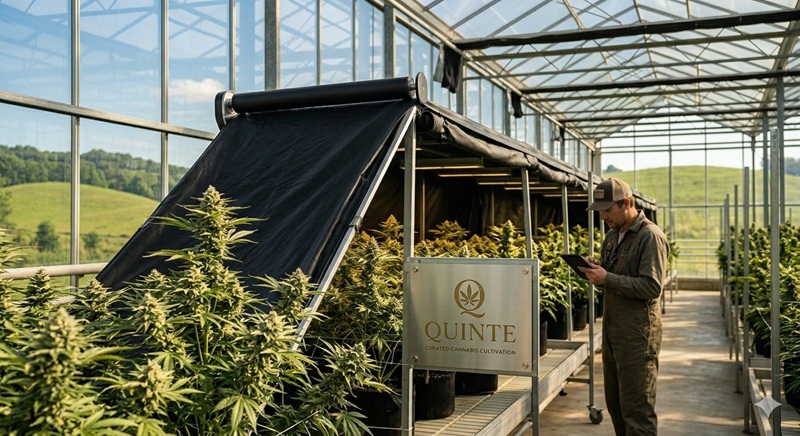
Light deprivation is a cultivation technique that controls the amount of light cannabis plants receive during a 24-hour period. Growers use blackout tarps, curtains, or automated greenhouse systems to block sunlight and create artificial darkness. For a deeper look at what light deprivation cannabis is and how it fits into modern cultivation, check out our full breakdown.
Cannabis is a photoperiod plant. This means it uses the length of daylight and darkness to determine when to begin flowering. In nature, cannabis flowers as daylight hours decrease toward the end of summer.
Light deprivation allows growers to manipulate this process. Instead of waiting for seasonal changes, growers can create shorter days whenever they choose. This causes plants to enter the flowering stage earlier than they normally would.
Light Dep vs Traditional Outdoor Cannabis Growing:
Traditional outdoor cannabis depends on natural daylight patterns. Growers plant in spring and harvest during autumn. However, light deprivation changes this schedule by artificially shortening daylight hours.
Some of the key differences between the two include:
- Earlier flowering initiation
- Multiple harvests per year
- Improved crop scheduling
- Greater consistency
- Better risk management
Why Light Deprivation Matters in Commercial Cannabis Cultivations?
In commerical cannabis cultivation, efficiency is very important. And, with light dep technique, growers can cultivate multiple high-quality flower harvests every year, increasing the profits. Some other important factors include:
Low Capital Investment:
Substantial investment is required to build an indoor cultivation facility, as it requires lighting systems, HVAC equipment, dehumidifiers, and many other. Whereas in a greenhouse facility, the cost of establishment is very less.
Faster Harvest Rotation:
One of the biggest advantages of light deprivation technique is harvest frequency. Instead of waiting for a single annual outdoor harvest, growers can trigger flowering multiple times throughout the year. More harvest generally means increased revenue.
Improved Terpene Preservation:
Natural sunlight contains a complete spectrum of light wavelengths that plants evolved to utilize. It is believed that the sunlight contributes to robust terpene development. This is why many growers believe natural sunlight contributes to strong terpene development that appeal to consumers seeking flavorful THCA flower.
Enhanced Quality Control:
While greenhouse environments are not as tightly controlled as indoor facilities, they still offer significantly more control than open-field cultivation. This additional control often results in more consistent harvests.
Reduced Environmental Impact:
Indoor cultivation requires considerable energy. Lighting systems alone consume large amounts of electricity throughout the growing cycle. Whereas light deprivation greenhouses rely heavily on sunlight, reducing overall energy demand. This makes light dep cultivation a more sustainable option compared to many indoor operations.
How Light Dep Weed Cultivation Affects THCA Flower?
The cultivation environment influences how cannabis expresses its genetic potential. Let’s discuss
THCA Production:
THCA levels are largely determined by genetics. However, environmental conditions can also affect how effectively a plant reaches that potential. Healthy plants exposed to optimal conditions generally produce greater resin content and stronger cannabinoid development.
Terpene Development:
Because light dep plants receive natural sunlight, they often develop strong aromatic characteristics. Many growers report complex terpene expression and vibrant flavors in properly cultivated greenhouse flower.
Bud Structure:
Light dep flower can develop impressive density, although the structure may occasionally be slightly looser depending on genetics and environmental conditions. However, proper nutrient management and environmental control can significantly improve bud quality.
Appearance and Resin Production:
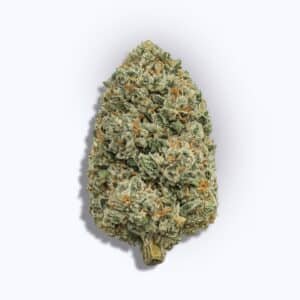
Modern greenhouse cultivation techniques have narrowed the visual gap between indoor and light dep flower. Today, a premium light dep flower can feature thick trichome coverage, bright color, and excellent trim quality. If you’re ready to see the results of quality light dep cultivation for yourself, you can shop our THCA flower online.
How to Set Up Light Dep for Cannabis?
Here are a few things that you need to do to set up a light dep cultivation facility for high-quality cannabis:
Plan Everything in Advance: You need to do proper planning, right from greenhouse dimensions, blackout systems, ventilation designs, and plant spacing. With proper planning, you can avoid operational problems later in the season.
Know Your Plant’s True Size: Cannabis plants often stretch significantly during the flowering phase. Some strains may double in size after flowering begins. Therefore, understand the expected growth patterns, as it can help in preventing overcrowding and airflow problems.
Cover Your Plants at the Right Time: The best light schedule for THCA cannabis generally follows a consistent 12-hour light and 12-hour dark cycle once flowering begins. Even minor disruptions can confuse plants and delay development.
Be Consistent: Consistency is one of the most important aspects of successful light deprivation. Plants should receive darkness at the same time every day. Irregular schedules may trigger stress responses, reduce flower quality, or increase the risk of hermaphroditism.
Be Careful: Blackout tarps create enclosed environments. And, without proper ventilation, temperatures and humidity levels can rise rapidly, which can lead to mold, mildew, and heat stress.
What are the Best Cannabis Seeds for Dep Cultivation?
Choosing the right genetics is one of the most important decisions, as even the most sophisticated greenhouse setup cannot compensate for weak genetics. Therefore, when selecting seeds for light dep cultivation, always focus on strains that respond well to greenhouse environments and possess strong cannabinoid potential. Here are some characteristics that you must look for:
- Strong photoperiod response
- High cannabinoid potential
- Resistance to mold and mildew
- Vigorous growth patterns
- Reliable flowering times
- Adaptability to greenhouse environments
That said, some of the popular High THCA cannabis strains are:
- Gorilla Glue #4
- Wedding Cake
- Gelato
- GMO
- Ice Cream Cake
- Jealousy
- Oreoz
Now, you must be wondering why genetics matter more than the growing method.
The answer is simple – genetics establish the ceiling for cannabinoid production. Environmental factors help plants reach that potential, but they cannot create traits that do not already exist.
This is why a premium genetic line grown in a greenhouse will often outperform average genetics grown indoors.
What Does Light Dep Cannabis Yield Looks Like?
Yield of light dep method varies significantly depending on climate, strain selection, greenhouse design, and cultivation practices. Here are some factors that significantly impact the yield:
Growth Time: Plants that spend more time in the vegetative stage generally produce larger harvests.
Genetics: Certain cultivars naturally produce larger yields than others.
Environmental Conditions: Temperature, humidity, airflow, and sunlight exposure all impact growth rates.
Nutrient Programs: Balanced nutrition can support vigorous growth and strong flower development.
Plant Training Techniques: Methods such as topping, trellising, low-stress training, and pruning can improve canopy efficiency and increase yields.
Quality vs Quantity: Your goal should not simply be producing larger harvests. You must goal to produce weed that has:
- THCA concentration
- Terpene development
- Flower density
- Trichome production
- Marketability
Common Light Deprivation Mistakes to Avoid:
There are certain mistakes that even the most experienced growers can make that can affect the overall yield quality. Here are some mistakes that you must avoid:
Inconsistent Blackout Schedules: Cannabis depends on predictable light cycles. Missed blackout periods can disrupt flowering and reduce consistency across the crop.
Light Leaks: Small light leaks may seem insignificant, but they can interrupt the flowering process. Therefore, you must inspect blackout systems regularly to ensure complete darkness during flowering.
Excess Humidity: Blackout tarps reduce airflow and can trap moisture. This can increase humidity which can result in mold, mildew, or bud rot. Therefore, always maintain good air circulation in your greenhouse facility.
Choosing Unsuitable Genetics: Not every cultivar thrives in greenhouse conditions. Therefore, always select strains known for strong outdoor or greenhouse performance.
Harvesting Too Early: Many growers become impatient as harvest approaches. Restraint your excitement, and allow flowers to fully mature, as it can improve cannabinoid development, terpene production, and overall quality.
Conclusion
Light deprivation has become one of the most effective methods for growers looking to produce premium THCA flower while maintaining reasonable operating costs. By manipulating the flowering cycle through controlled darkness, cultivators can harvest earlier, increase annual production, and improve overall efficiency.
Experienced greenhouse cultivators often emphasize that consistency in blackout schedules is more important than expensive equipment. That said, proper planning, consistency, environmental management, and genetics are key to success in light dep weed cultivation. Before scaling up production for sale, it’s also worth understanding THCA’s legal status so your final product stays compliant.
Frequently Asked Questions (Faqs)
Is light dep better than indoor growing?
There is no good or bad method, as both have their own set of advantages and disadvantages. Indoor cultivation is known to offer greater environmental control, while light dep cultivation offers lower production costs, natural sunlight exposure, and multiple harvest opportunities. The right choice depends on production goals and available resources.
What are the cons of light deprivation technique?
Light deprivation requires strict scheduling and careful environmental management. Growers must monitor humidity, airflow, and temperature closely. Light leaks and inconsistent blackout periods can also affect flowering performance.
How many harvests can greenhouse operators get in a year?
Depending on climate, greenhouse design, and cultivation practices, many operators achieve two to four harvests annually using light deprivation techniques.
Does light dep method affect terpene quality?
Many cultivators believe natural sunlight supports strong terpene development. Properly grown light dep flower often displays rich aroma and flavor profiles comparable to premium indoor cannabis.
What humidity level is considered safe during a blackout period?
Most growers aim to keep relative humidity below 60% during flowering. Lower levels are often preferred during late flowering to reduce the risk of mold and bud rot.
Can small light leaks interrupt the flowering cycle?
Yes. Even minor light exposure during the dark period can confuse photoperiod cannabis plants. Repeated interruptions may slow flowering, reduce yields, or create plant stress.
What is the best light schedule for THCA cannabis?
Most growers transition flowering plants to a consistent 12-hour light and 12-hour dark schedule. Maintaining uninterrupted darkness is critical for successful flowering.
Can beginners use light deprivation to grow THCA-rich cannabis?
Yes. Small greenhouse setups with manual blackout systems can be effective for beginners. Success depends on consistency, proper environmental management, and choosing suitable cannabis genetics.
When should you harvest THCA-Rich Cannabis?
Harvesting at the right time is essential for maximizing THCA content and overall flower quality. Most growers monitor trichomes closely, aiming to harvest when the majority appear milky white with only a small percentage turning amber. Harvesting too early can reduce cannabinoid development, while waiting too long may affect potency and terpene preservation. Proper timing helps ensure peak resin production and premium-quality flower.