

If you have walked into a hemp shop recently, you would have probably seen delta 9 gummies, drinks, tinctures, and other THC products sitting right on the shelves.
That naturally raises a question for many Alabama residents.
If recreational marijuana is not legal in Alabama, how are businesses selling delta 9 products so openly?
The answer comes down to a mix of federal hemp laws, state regulations, and a legal framework that has evolved significantly over the past few years. While certain delta 9 products can be purchased legally in Alabama, there are important restrictions that consumers should understand before making a purchase. For more detail on how this plays out across the country, our national Delta 9 legal guide breaks down the federal rules and every state’s approach.
So, is delta 9 legal in Alabama?
The short answer is yes, but only under specific conditions.
Recommended Products
-
Sale!
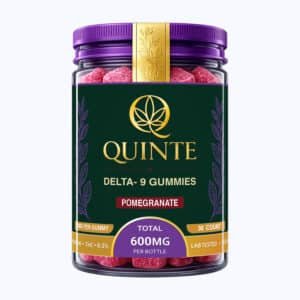
Delta-9 Pomegranate Gummies 20mg
or subscribe to save up to 30%
$69.95$59.95 View Product This product has multiple variants. The options may be chosen on the product page
Why Some Delta 9 Products Are Legal and Others Are Not
One of the biggest misconceptions surrounding delta 9 THC is that all products containing THC fall under the same laws.
They don’t.
The legal status often depends on where the cannabinoid comes from and how the product is classified.
In Alabama, marijuana-derived delta 9 THC remains heavily restricted. Recreational marijuana is not legal in the state.
However, hemp-derived delta 9 products operate under a different set of rules.
This distinction is what allows some THC gummies and edible products to be sold legally while other cannabis products remain prohibited.
The Hemp Industry’s Game-Changing Moment
The modern hemp market owes much of its growth to the 2018 Farm Bill.
This federal legislation legalized hemp nationwide and removed it from the list of controlled substances. More importantly, it created a legal definition of hemp based on delta 9 THC concentration.
Under the law, hemp could contain no more than 0.3% Delta 9 THC by dry weight. Anything above that threshold would be considered marijuana under federal law.
At first glance, that might sound like a tiny amount. But manufacturers quickly realized something important.
A product could remain below the 0.3% limit while still containing several milligrams of delta 9 THC, especially if the product itself weighed enough. This is why hemp-derived delta 9 gummies became so popular across the country.
Alabama’s Approach to Hemp-Derived THC
Alabama adopted hemp regulations that generally align with federal hemp standards. Local rules can still vary, similar to how Is Delta 9 THC Legal in Greensburg, PA looks at compliance at a more local level.
As a result, hemp-derived delta 9 products entered the state’s market and became available through specialty retailers, hemp stores, and online sellers. However, Alabama lawmakers have not taken a hands-off approach.
Over the past few years, the state has increased oversight of hemp-derived cannabinoid products through stricter regulations, licensing requirements, testing standards, and sales restrictions.
Today, businesses selling hemp-derived THC products in Alabama face significantly more compliance requirements than they did just a few years ago.
New Alabama THC Limits You Should Know
Beginning in 2026, Alabama implemented additional restrictions on consumable hemp products.
Under current state rules:
- Hemp-derived edible products are limited to 10mg of total THC per serving.
- Products are generally limited to 40mg of total THC per package.
- Retailers must comply with licensing requirements.
- Sales are restricted to adults.
- Testing and labeling requirements have expanded.
For consumers, this means not every delta 9 product found online can legally be sold in Alabama. Products must meet both federal and state requirements.
The THCA Issue That Changed the Conversation
If you have spent any time researching hemp products, you would have probably come across the term THCA.
THCA is the natural precursor to THC. In its raw form, it is chemically different from Delta-9 THC.
The interesting part is what happens when heat is applied.
Smoking, vaping, or otherwise heating THCA converts it into delta 9 THC through a process called decarboxylation.
For several years, this created what many people called the “THCA loophole.”
Because federal hemp law focused primarily on delta 9 THC levels rather than the amount of THCA present, some products could technically qualify as hemp while still producing significant THC after being heated.
This loophole became one of the biggest topics in the hemp industry and played a major role in the rise of THCA flower and concentrates.
Why Total THC Matters Now
Federal regulators eventually recognized that measuring only delta 9 THC didn’t always reflect the true intoxicating potential of a product.
As a result, lawmakers began shifting toward a concept known as Total THC.
Instead of looking solely at the THC already present, Total THC calculations also consider the THCA that could convert into THC when heated.
This approach provides a more accurate picture of how potent a hemp product may become during use.
For consumers, the takeaway is simple:
A product that appears compliant under a delta 9 only test may not remain compliant when Total THC calculations are applied.
Federal Changes Coming in 2026
The hemp industry is preparing for one of its biggest regulatory changes since the original Farm Bill.
Federal legislation taking effect in November 2026 introduces stricter definitions for hemp products and places a much greater emphasis on Total THC calculations.
One of the most significant changes is a proposed limit of 0.4 milligrams of total THC per retail container.
For your understanding, many current hemp-derived delta 9 gummies contain 5mg, 10mg, or even 25mg of THC per serving. For example, our Delta-9 Pomegranate Gummies 20mg fall well within that popular potency range.
The new federal standard is dramatically lower than what consumers are accustomed to seeing today.
If these rules remain in place, they could significantly reshape the hemp-derived THC market nationwide.
Can You Buy Delta 9 Gummies in Alabama Right Now?
Yes.
Consumers can currently purchase certain hemp-derived delta 9 products in Alabama provided those products comply with both federal and state regulations. If you’d like to see what’s available, you can shop Delta 9 gummies online and have them shipped straight to Alabama.
Prefer vaping instead? Our 2g disposable vapes are another compliant option worth checking out. However, shoppers should pay close attention to product quality.
Before purchasing any delta 9 product, look for:
- Third-party laboratory testing
- Clearly displayed cannabinoid content
- Ingredient transparency
- Batch-specific Certificates of Analysis (COAs)
- Compliance with Alabama regulations
What Alabama Consumers Should Keep in Mind
Products that were widely available a few years ago may face different restrictions today. Likewise, products currently considered compliant could be affected by future regulatory changes.
Consumers should also remember that legality does not guarantee workplace protection. THC can still appear on many drug tests regardless of whether the product came from hemp or marijuana.
Understanding the rules before purchasing can help avoid confusion and ensure you’re buying products that meet current standards.
Conclusion
Delta 9 THC is legal in Alabama when it is derived from compliant hemp and sold in accordance with both federal and state regulations. Thanks to the 2018 Farm Bill, hemp-derived delta 9 products created a legal pathway that allowed THC gummies, edibles, and similar products to enter the market.
At the same time, Alabama has introduced its own restrictions, including serving limits, packaging requirements, licensing rules, and stricter oversight of hemp-derived cannabinoids.
Looking ahead, upcoming federal changes involving Total THC calculations and the proposed 0.4-milligram THC-per-container limit could have a major impact on the products consumers see on store shelves.
For now, compliant hemp-derived delta 9 products remain available in Alabama, but staying informed is more important than ever as the legal landscape continues to evolve.