
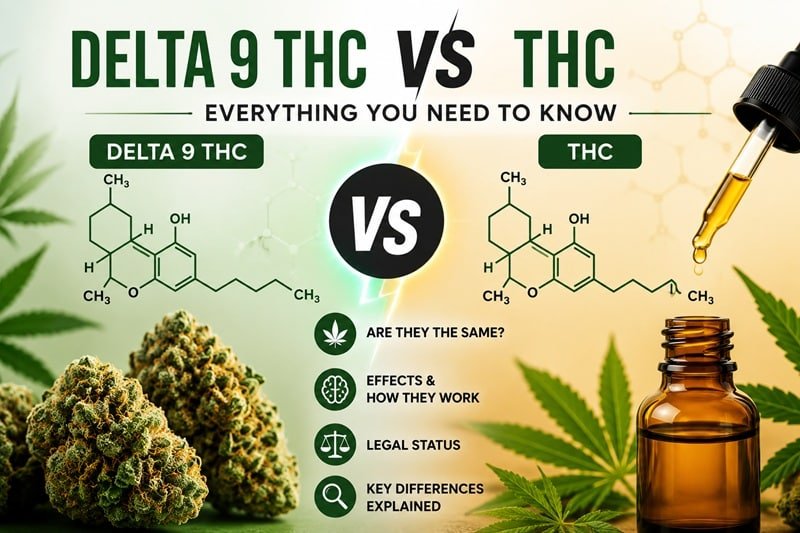
Are you too confused between THC and Delta 9 THC? Some brands use the terms interchangeably, while others present them as if they are completely different compounds, creating a lot of confusion among consumers. So, what is the truth – are THC and Delta 9 THC different or the same?
The short answer is that Delta 9 THC is THC. They are not different compounds; “Delta-9” is simply the shorthand of the scientific term: tetrahydrocannabinol, which is also what most people are referring to when they say “THC.”
Recommended Products
-
Sale!
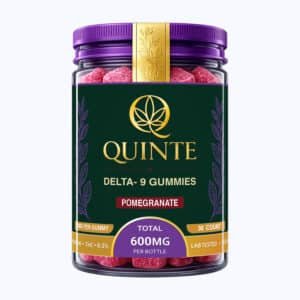
Delta-9 Pomegranate Gummies 20mg
or subscribe to save up to 30%
$69.95$59.95 View Product This product has multiple variants. The options may be chosen on the product page -
Sale!
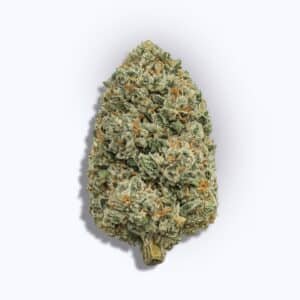
Papaya Strain – Light Deprivation THCa Flower 4grams
or subscribe to save up to 30%
Original price was: $59.00.$49.00Current price is: $49.00. View Product -
Sale!
Bubblegum Runtz THCa Flower 4grams
or subscribe to save up to 30%
Original price was: $59.00.$49.00Current price is: $49.00. View Product -
Sale!
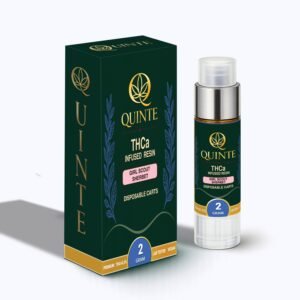
Girl Scout Sherbet THCa Infused Resin 2g Disposable Carts
or subscribe to save up to 30%
Original price was: $49.99.$44.99Current price is: $44.99. View Product -
Sale!
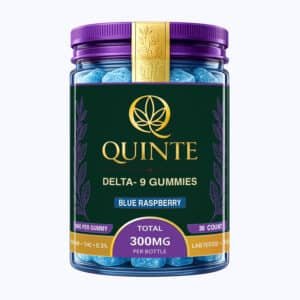
Delta-9 Blue Raspberry Gummies 10mg
or subscribe to save up to 30%
$69.95$59.95 View Product This product has multiple variants. The options may be chosen on the product page -
Sale!
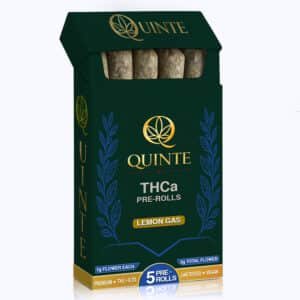
Lemon Gas Flavor THCa Pre Rolls – Pack of 5
or subscribe to save up to 30%
Original price was: $49.99.$44.99Current price is: $44.99. View Product
Let’s break down everything you need to know about THC, Delta 9 THC, how they work, how they compare to other cannabinoids, and why the distinction matters.
Understanding THC and Delta 9 THC
Before comparing THC and Delta 9 THC, it is important to understand what these terms actually mean.
THC stands for tetrahydrocannabinol, a cannabinoid naturally produced by cannabis plants. Cannabinoids are chemical compounds that interact with the body’s endocannabinoid system, influencing functions such as mood, memory, appetite, and perception.
However, THC is not a single compound. It’s actually a category that includes several forms of tetrahydrocannabinol, including:
- Delta 9 THC
- Delta 8 THC
- Delta 10 THC
- THCA (the precursor to THC)
- THC-O (where legal)
- Other naturally occurring THC analogues
Among these, Delta 9 THC is the most abundant and well-known form.
When someone says they consumed THC, they are almost always referring to Delta 9 THC unless otherwise specified.
Why the THC vs Delta 9 Debate Exists?
Years ago, when the number of cannabinoids known to humans was less, consumers didn’t need to distinguish between different forms of THC. Everything was listed as THC, and everyone understood what it meant.
However, after the 2018 Farm Bill, things changed. The law legalized hemp products that contain 0.3% or less Delta 9 THC by dry weight. This led to the demand for alternative cannabinoids such as Delta 8 THC and Delta 10 THC.
As these products entered the market, brands began using more precise terminology. And, instead of saying THC, companies started specifying:
- Delta 9 THC
- Delta 8 THC
- Delta 10 THC
- THCA
… and more.
This distinction helped consumers understand which cannabinoid they were purchasing.
Today, the phrase “Delta 9 THC” is commonly used to separate traditional THC from other cannabinoids that have emerged in the hemp industry.
Is Delta 9 THC the Same as THC?
In daily life and normal conversations, YES, delta 9 THC is the same as THC.
Delta 9 THC is the compound people mean when they use the term THC.
That said, the confusion comes from the fact that THC has become both:
- A general category of compounds.
- A common name for Delta 9 THC specifically.
For example: As a fruit can be referred to the entire category, but when someone hands you an apple and says “fruit,” they’re referring to a specific member of that category. The same concept applies here.
How Delta 9 THC Works in the Body?
Delta-9-tetrahydrocannabinol, commonly known as Delta 9 THC, is the most common cannabinoid present in the cannabis plant. It interacts with the body’s endocannabinoid system (ECS), a network of receptors that helps regulate various physiological functions.
The two primary receptors involved are:
- CB1 receptors
- CB2 receptors
Delta 9 THC binds with CB1 receptors, influencing:
- Mood
- Memory
- Appetite
- Coordination
- Sensory perception
- Time perception
Research published by the National Institute on Drug Abuse (NIDA) notes that THC’s interaction with CB1 receptors is largely responsible for its psychoactive effects.
This is why Delta 9 THC produces the classic cannabis high.
Common Effects of Delta 9 THC:
The effects of Delta 9 THC can vary depending on several factors, including dosage, tolerance, metabolism, and consumption method. Here are some of the effects that many consumers reported:
Positive Effects
- Euphoria
- Relaxation
- Increased laughter
- Enhanced sensory experiences
- Altered perception of time
- Increased appetite
- Improved mood
Potential Side Effects
- Dry mouth
- Red eyes
- Dizziness
- Anxiety
- Paranoia
- Short-term memory impairment
- Increased heart rate
Delta 9 THC vs Delta 8 THC vs Delta 10 THC
One of the most common comparisons is between Delta 9 THC, Delta 8 THC, and Delta 10 THC. Let’s have a tabular breakdown for better understanding:
| Feature | Delta 8 THC | Delta 9 THC | Delta 10 THC |
| Natural Abundance | Low | High | Very Low |
| Psychoactive Strength | Moderate | Strong | Mild |
| Commonly Reported Effects | Relaxing, calming | Euphoric, balanced, potent | Uplifting, energizing |
| CB1 Receptor Binding | Moderate | Strong | Weaker |
| Consumer Experience | Milder than Delta 9 | Traditional cannabis high | More clear-headed and stimulating |
| Availability | Hemp and cannabis products | Hemp and cannabis products | Primarily hemp-derived products |
| Best Suited For | Consumers seeking a gentler experience | Consumers seeking classic THC effects | Consumers looking for daytime-friendly options |
| Research Availability | Limited | Extensive | Very limited |
Hemp-Derived vs Marijuana-Derived Delta 9 THC
Now, as the air between Delta 9 THC and THC is cleared, let’s discuss another misconception in the cannabis industry, which is – is demp-derived Delta 9 THC different from Marijuana-derived Delta 9 THC.
Chemically speaking, they are identical; however, the difference lies in the source plant.
| Feature | Hemp-Derived Delta 9 THC | Marijuana-Derived Delta 9 THC |
| Source Plant | Extracted from federally defined hemp plants | Extracted from marijuana/cannabis plants |
| Chemical Structure | Identical Delta 9 THC molecule | Identical Delta 9 THC molecule |
| Psychoactive Effects | Same as marijuana-derived Delta 9 THC | Same as hemp-derived Delta 9 THC |
| Federal Status | May be federally legal if compliant with hemp laws | Federally illegal under the Controlled Substances Act |
| State Legality | Varies by state | Varies by state |
| Typical Products | D9 Gummies, edibles, tinctures, beverages | Flower, concentrates, edibles, vapes |
| THC Concentration in Source Plant | Hemp contains no more than 0.3% Delta 9 THC by dry weight | Cannabis contains more than 0.3% Delta 9 THC by dry weight |
| Availability | Online retailers, hemp stores, smoke shops (where legal) | Licensed dispensaries in legal cannabis states |
| Lab Testing Requirements | Vary by manufacturer and state | Typically subject to state-regulated cannabis testing |
| Drug Test Risk | Can trigger a positive drug test | Can trigger a positive drug test |
So, Why Do Brands Specifically Use the Term Delta 9 THC?
There are several reasons manufacturers and retailers use the term Delta 9 THC instead of simply THC. Some include:
- Regulatory clarity
- Consumer education
- Product transparency
- Marketing
Is Delta 9 THC Legal?
The legality of Delta 9 THC can be confusing because it depends on several factors, including where the THC comes from, how much is present in the product, and the laws of the state where it is being sold. Understanding the current legal framework is essential before buying or consuming any Delta 9 product.
The 2018 Farm Bill
The modern hemp industry was created by the Agriculture Improvement Act of 2018, commonly known as the 2018 Farm Bill. This legislation removed hemp from the federal list of controlled substances and defined hemp as:
- Cannabis containing no more than 0.3% Delta 9 THC on a dry-weight basis.
As a result, hemp-derived products that meet this definition became federally legal. However, the Farm Bill did not legalize marijuana. Cannabis plants containing more than 0.3% Delta 9 THC remain federally classified as marijuana.
Recent Federal Amendments:
The legal landscape for hemp-derived cannabinoids is changing again.
In November 2025, federal lawmakers passed H.R. 5371, which includes significant revisions to the federal definition of hemp. One of the most important changes is the move from a Delta 9 THC-only standard to a Total THC standard.
Under this approach, regulators consider:
- Delta 9 THC
- THCA
- Other THC compounds that can convert into Delta 9 THC
This change primarily targets products that relied on the so-called “THCA loophole,” where cannabis flower could remain federally compliant before being heated and converted into Delta 9 THC.
What do These Changes Mean?
For consumers, hemp-derived Delta 9 THC products that already comply with federal limits are expected to remain available in many markets.
However, products containing large amounts of THCA may face greater restrictions once the new Total THC rules take effect.
The changes are expected to significantly reshape portions of the hemp cannabinoid industry over the next few years.
State Laws
Even though certain hemp-derived Delta 9 THC products may be federally legal, states have the authority to create their own cannabis and hemp regulations.
As a result, Delta 9 THC laws vary widely across the country.
Some states allow:
- Recreational cannabis
- Medical cannabis
- Hemp-derived Delta 9 THC products
Others permit only medical cannabis programs or place restrictions on hemp-derived cannabinoids. A handful of states have banned or heavily regulated certain THC products altogether.
Because cannabis laws continue to evolve, consumers should always verify the most current regulations in their state before purchasing or using Delta 9 THC products.
Note: Delta 9 THC is not universally legal or illegal. Its legal status depends on the source of the cannabinoid, product formulation, federal regulations, and the laws of the state where it is sold or consumed.
Common Myths About Delta 9 THC
Myth 1: THC and Delta 9 THC are different cannabinoids
Fact: In most cases, THC is simply shorthand for Delta 9 THC.
Myth 2: Hemp-Derived Delta 9 is weaker
Fact: The source of the cannabinoid does not determine potency. Delta 9 THC is the same molecule regardless of whether it comes from hemp or marijuana.
Myth 3: Higher THC always means better cannabis
Fact: Research suggests that terpene profiles, cannabinoid balance, and individual biology all influence the overall experience. THC percentage is only one part of the equation.
Myth 4: Delta 9 THC is new
Fact: Delta 9 THC is not a new cannabinoid. It has been the primary psychoactive component of cannabis for thousands of years.
How to Shop for Delta 9 THC Products?
If you are more interested in vaping, take a look at our 2g disposable vapes for a convenient option. If you are planning to buy Delta 9 THC products, here are some of the factors that you must consider:
- Always check third-party lab reports
- Review ingredients
- Understand the packaging label properly
- Consider your experience level
- Buy from reputable brands
- Understand local laws
Conclusion:
The debate between THC and Delta 9 THC is largely a matter of terminology rather than chemistry. Delta 9 THC is the primary form of THC naturally found in cannabis and the compound responsible for the classic psychoactive effects associated with marijuana.
For most consumers, however, the key takeaway is simple: when someone talks about THC, they are usually talking about Delta 9 THC. This distinction can make it much easier to understand today’s rapidly expanding cannabis marketplace.
Frequently Asked Questions (FAQs)
Is Delta 9 THC stronger than THC?
It is interesting to understand that there is no difference between Delta 9 THC and THC. Delta 9 THC is THC. The terms are often used interchangeably.
Does Delta 9 THC get you high?ferent from marijuana-derived Delta 9 THC?
No. The molecule is chemically identical regardless of whether it comes from hemp or marijuana.
Can Delta 9 THC show up on a drug test?
Yes. Standard drug tests typically screen for THC metabolites, and Delta 9 THC can trigger a positive result. Therefore, if your office subjects you to frequent drug tests, it is advised to stop using Delta 9 THC products.
Why do companies label products as Delta 9 THC?
The term helps distinguish traditional THC from cannabinoids such as Delta 8 THC, Delta 10 THC, and THCA.
Is Delta 9 THC legal in all states?
Delta 9 THC is federally legal in the United States of America. That said, the state laws can vary. One cannabis product legal in one state can be illegal in another. Therefore, it is important for consumers to always check local regulations before using or buying Delta 9 THC products.