
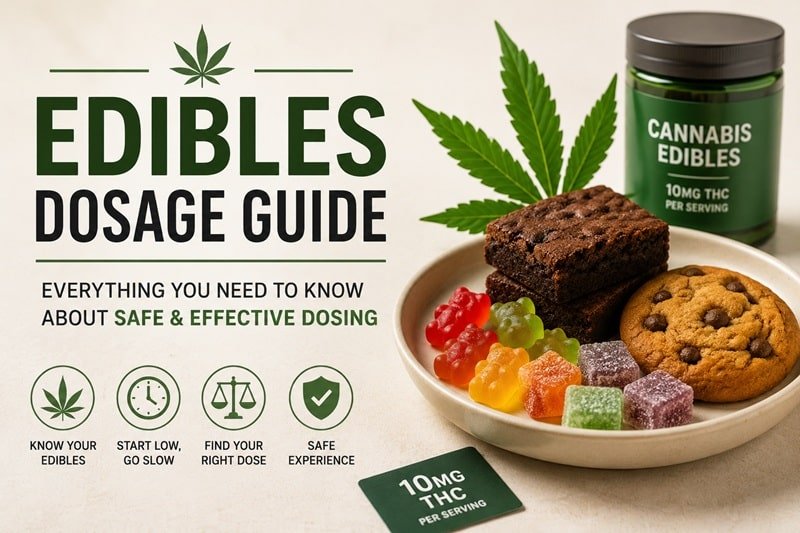
In recent years, cannabis edibles have become very popular because of their convenience, discretion, and smoke-free nature. Many first-time users assume they work the same way as smoking or vaping. They take an edible, wait 20 or 30 minutes, feel nothing, and decide to take more. However, hours later, they discover why experienced consumers repeat the same advice: start low and go slow.
Unlike inhaled cannabis, edibles pass through the digestive system before entering the bloodstream. This process changes how cannabinoids are metabolized and can produce effects that are stronger and longer-lasting than expected. As a result, dosage becomes one of the most important factors in creating a positive experience.
Recommended Products
-
Sale!
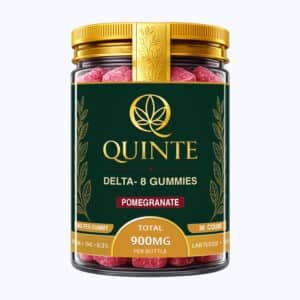
Delta-8 Pomegranate Gummies 30mg
or subscribe to save up to 30%
$69.95$59.95 View Product This product has multiple variants. The options may be chosen on the product page -
Sale!
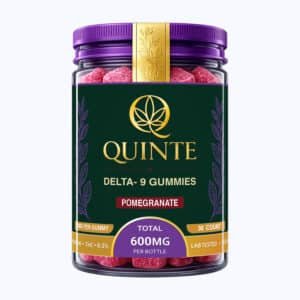
Delta-9 Pomegranate Gummies 20mg
or subscribe to save up to 30%
$69.95$59.95 View Product This product has multiple variants. The options may be chosen on the product page -
Sale!
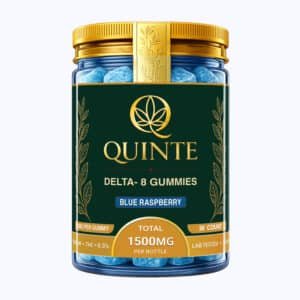
Delta-8 Blue Raspberry Gummies 50mg
or subscribe to save up to 30%
$69.95$59.95 View Product This product has multiple variants. The options may be chosen on the product page
Let’s start with edible dosage guidelines.
What Are Cannabis Edibles?
Cannabis edibles are products infused with cannabinoids such as THC, CBD, or other cannabis-derived compounds. Unlike smoking or vaping, edibles are smoke-free, consumed orally, and processed through the digestive system.
One of the defining characteristics of edibles is their delayed onset and long-lasting effects. Because cannabinoids must be digested and metabolized before entering the bloodstream, the experience can differ significantly from other methods of cannabis consumption.
They are available in various strengths, flavors, and formulations, allowing consumers to choose products that align with their desired experience and dosage needs.
How Edibles Work in the Body?
Now that we know what cannabis edibles are, let’s understand how they work in the body.
To start, when an edible is eaten, it enters the stomach and digestive tract, where it begins to break down.
In the stomach, cannabinoids are absorbed through the intestines and transported to the liver through the bloodstream. In the liver, the THC is processed and converted into a compound called 11-hydroxy-THC. Now, this metabolite is believed to be more potent and longer-lasting than inhaled THC.
After metabolism, cannabinoids enter the bloodstream and interact with the body’s endocannabinoid system, influencing receptors involved in mood, relaxation, appetite, memory, and other functions.
Because digestion takes time, the effects usually begin within 30 minutes to 2 hours after consumption. That said, the onset time varies from person to person, and depends on several other factors, such as tolerance level, metabolism, product strength, and what you have eaten.
Difference Between Edibles and Other Cannabis Methods
Now, as you know how edibles behave in the system, you must also understand that there are other ways in which cannabis can be consumed. Here are some commonly used cannabis consumption methods, and how they interact with the body:
| Consumption Method | Onset Time | Duration | Intensity |
| Smoking | 1-10 minutes | 2-4 hours | Moderate |
| Vaping | 1-10 minutes | 2-4 hours | Moderate |
| Edibles | 30-120 minutes | 4-12+ hours | Often Stronger |
| Tinctures (Sublingual) | 15-45 minutes | 4-6 hours | Moderate |
| Capsules | 30-120 minutes | 6-12 hours | Similar to Edibles |
You might be wondering why edibles feel stronger than other cannabis products, and here is the answer
Formation of 11-Hydroxy-THC: When THC is consumed orally, the liver converts it into 11-hydroxy-THC. This metabolite is believed to be responsible for the stronger effects generally associated with edibles.
Longer Absorption Period: Edibles release cannabinoids gradually as they move through the digestive system. This extended absorption process can create a prolonged experience compared to inhaled cannabis.
Higher Overall Exposure: Because effects develop slowly, some users consume additional servings before the first dose has taken effect. This can result in a much stronger experience than intended.
Full-Body Effects: Many consumers describe edible effects as more body-focused and immersive compared to smoking or vaping, which often produce a faster and shorter-lived experience.
Popular Types of Cannabis Edibles:
The cannabis edible market is full of a wide range of products, which include:
- Gummies
- Chocolates
- Cookies and brownies
- Candies
- Beverages
- Tincture-infused foods
- Mints
- Baked goods
Understanding THC, CBD, and other Cannabinoids in Edibles
Cannabis edibles contain active compounds known as cannabinoids, which interact with the endocannabinoid system (ECS) in the body. ECS is responsible for several bodily functions, and when CBD interacts with it, the interaction produces effects that people experience after consuming cannabis products.
While THC and CBD are the most well-known cannabinoids, more than 100 lesser known cannabinoids arae present in the cannabis plant. Many manufacturers incorporate these cannabinoids into modern edible products.
Let’s discuss these Cannabinoids in detail:
What is THC?
Tetrahydrocannabinol, commonly known as THC, is the primary psychoactive cannabinoid found in cannabis. This is the compound most commonly associated with the “high” that cannabis users experience.
When THC enters the body, it interacts with cannabinoid receptors in the brain and nervous system. This interaction can influence mood, perception, appetite, memory, and sensory experiences. The intensity of THC’s effects depends on several factors, including dosage, individual tolerance, metabolism, and the type of edible consumed.
Because THC is responsible for most psychoactive effects, understanding THC content is one of the most important aspects of edible dosing. Common Effects of THC include:
- Euphoria
- Relaxation
- Enhanced sensory perception
- Altered sense of time
- Increased appetite
- Mood elevation
- Drowsiness at higher doses
What is CBD?
CBD (cannabidiol) is another major cannabinoid found in cannabis and hemp plants. Unlike THC, CBD is non-intoxicating and does not typically produce a euphoric high. CBD interacts with the body’s endocannabinoid system differently than THC and has become increasingly popular in wellness-focused products. Here are some of the products where CBD can be commonly found:
- Gummies
- Capsules
- Chocolates
- Beverages
- Tinctures
- Softgels
Many consumers choose CBD edibles because they want the potential benefits of cannabinoids without experiencing significant psychoactive effects. Here are some of the common effects associated with CBD:
- Relaxation
- Calmness
- General wellness support
- Reduced feelings of stress
- Everyday balance
Difference between THC and CBD
Now that you have understood both the cannabinoids, let’s have a tabular comparison between the two:
| Feature | THC | CBD |
| Psychoactive | Yes | No |
| Produces a High | Yes | No |
| Intoxicating Effects | Present | Minimal |
| Commonly Used for Relaxation | Yes | Yes |
| Alters Perception | Yes | No |
| Appetite Stimulation | More Common | Less Common |
| Suitable for Daytime Use | Depends on Dose | Often Yes |
Other cannabinoids
While THC and CBD are major cannabinoids present in cannabis plant, you cannot ignore the importance of other cannabinoids. Here are some of the readily available cannabinoids:
CBN:
CBN is one of the most common minor cannabinoids found in modern cannabis edibles. It forms naturally as THC ages and breaks down over time.
Users like to include CBN in their daily routine for its relaxation-focsed benefits. Some of the common products that feature CBN include sleep gummies, nighttime chocolates, relaxation capsules, and wellness blends.
It is important to note that CBN itself is mildly psychoactive at most, though its effects are generally much less noticeable than THC.
CBG:
CBG is commonly known among the people as mother cannabinoid, because many cannabinoids originate from its precursor form during cannabis plant development. While CBG is available in smaller amounts, it is popular for the following characteristics:
- Non-intoxicating
- Commonly found in wellness products
- Often combined with CBD
- Increasingly popular in daytime formulations
Many manufacturers include CBG alongside CBD to create broad-spectrum cannabinoid formulations.
CBC:
Cannabichromene is commonly known as CBC. It is another non-intoxicating cannabinoid found in the cannabis plant. It is generally included in full-spectrum and broad-spectrum products, and features:
- Non-psychoactive
- Naturally occurring cannabinoid
- Commonly present in full-spectrum extracts
Consumers may find CBC in:
- Full-spectrum gummies
- Broad-spectrum edibles
- Multi-cannabinoid wellness products
THCV:
Tetrahydrocannabivarin is commonly known as THCV, and has a structure similar to THC, but behaves differently in the body. In recent years, THCV has become a popular ingredient in specialty cannabis products. Here are some of the characteristics of THCV:
- Unique interaction with cannabinoid receptors
- Different effects from traditional THC
- Often included in premium cannabis formulations
THCV products are still relatively niche but are becoming more common as cannabinoid innovation expands. Because THCV products can vary significantly, consumers should always review product labels and manufacturer recommendations.
The Entourage Effect: Why Multiple Cannabinoids Matter
As now we have discussed all the popular cannabinoids present in the hemp plants, let’s discuss the Entourage Effect.
Many cannabis experts believe cannabinoids may work together to influence the overall experience. This concept is commonly referred to as the entourage effect. According to this theory, cannabinoids and other plant compounds may interact synergistically, producing effects that differ from those of a single isolated cannabinoid.
For example:
- THC may be combined with CBD
- CBD may be paired with CBG
- Full-spectrum products may include multiple cannabinoids and terpenes
The entourage effect is one of the reasons many consumers prefer full-spectrum products.
Full-Spectrum, Broad-Spectrum, and CBD Isolate Edibles: Let’s Understand
When you go shopping for cannabis and hemp edibles, you generally see terms like full-spectrum, broad-spectrum, and Isolate CBD. These labels generally describe the cannabinoid profile of the product.
Before moving ahead, let’s understand these three:
Full-Spectrum Edibles:
Full-spectrum edibles contain a wide range of naturally occurring cannabis compounds, such as THC, CBD, CBG, CBC, CBN, terpenes, and flavonoids. Here are some benefits associated with full-spectrum edibles:
- Contains multiple cannabinoids
- Preserves more of the plant’s natural compounds
- May support the entourage effect
That said, here are some of the common full-spectrum products available on the market:
- THC gummies
- CBD gummies with THC
- Full-spectrum capsules
- Full-spectrum chocolates
Because full-spectrum products contain THC, they may produce psychoactive effects depending on the formulation and dosage.
Broad-Spectrum Edibles:
Broad-spectrum products contain multiple cannabinoids but typically have THC removed or reduced to non-detectable levels. These products aim to provide a broader cannabinoid profile without significant THC exposure. Here are some of the benefits of broad-spectrum edibles:
- Multiple cannabinoids present
- No meaningful psychoactive effects from THC
- Suitable for consumers avoiding THC
You can commonly find broad-spectrum effects in products such as:
- CBD gummies
- CBD capsules
- Wellness edibles
- Functional cannabinoid blends
Broad-spectrum products are often chosen by consumers seeking a THC-free experience while still benefiting from other cannabinoids.
CBD Isolate Edibles:
CBD isolate products contain only CBD and no other cannabinoids. The CBD is extracted and refined until it reaches a highly purified form. Some of the benefits of CBD isolate edibles are:
- Pure CBD content
- No THC
- Consistent cannabinoid profile
- Easy dosage calculation
Now, let’s talk about common CBD Isolate products. These products are popular among consumers who want only CBD without additional cannabinoids. Some of the common products include:
- CBD gummies
- CBD capsules
- CBD beverages
- CBD chocolates
Full-Spectrum Vs Broad-Spectrum Vs CBD Isolate
| Feature | Full Spectrum | Broad Spectrum | CBD Isolate |
| CBD Present | Yes | Yes | Yes |
| THC Present | Yes | Typically No | No |
| Other Cannabinoids | Yes | Yes | No |
| Terpenes | Often Yes | Often Yes | No |
| Entourage Effect Potential | Highest | Moderate | Limited |
| Psychoactive Potential | Possible | Minimal | None |
Which Type of Edible Should You Choose?
By now, you understand all the major types of edibles, and now comes the question – which is the right fit for you? Here is simple differentiation:
Choose Full-Spectrum Edibles if:
- You want multiple cannabinoids.
- You are comfortable consuming THC.
- You prefer a more complete cannabis profile.
Choose Broad-Spectrum Edibles if:
- You want multiple cannabinoids without significant THC.
- You prefer non-intoxicating products.
Choose CBD Isolate Edibles if:
- You only want CBD.
- You want to avoid all other cannabinoids.
- You prefer a highly refined cannabinoid product.
Whether you prefer THC-rich gummies, CBD wellness products, or full-spectrum formulations, knowing what is inside your edible can help you make informed and responsible consumption decisions.
How Edibles Affect the Body?
One of the biggest differences between cannabis edibles and other consumption methods is how the body processes cannabinoids. When cannabis is smoked or vaped, cannabinoids enter the bloodstream through the lungs and produce effects within minutes. Edibles, however, follow a much longer journey through the digestive system before their effects are felt.
Here is how it works in the body:
- Step 1: The process begins when you eat an edible.
- Step 2: Once the components reaches stomach, it begins breaking down the edible. From there, the contents move into the small intestine, where cannabinoids are absorbed into the body.
- Step 3: Once cannabinoids reach the small intestine, they are absorbed into the bloodstream and transported to the liver.
- Step 4: When THC reaches the liver, enzymes metabolize it and convert a portion of it into 11-hydroxy-THC, a powerful active metabolite.
Factors that Influence THC Effects:
- Body weight
- Metabolism
- Age
- Gender
- Food intake
- Tolerance
- Product formulation
Typical Onset Times for Edibles:
The onset time of an edible refers to how long it takes before noticeable effects begin. For most consumers, cannabis edibles start working within 30 minutes to 2 hours after consumption.
That said, this range can vary depending on several factors, including the type of edible, individual metabolism, and whether the edible was consumed with food.
| Time After Consumption | What You May Experience |
| 0-30 Minutes | Usually no noticeable effects |
| 30-60 Minutes | Early effects may begin for some users |
| 60-120 Minutes | Effects become more noticeable |
| 2-4 Hours | Peak effects typically occur |
| 4+ Hours | Effects gradually decline |
Fast-Acting vs Traditional Edibles
Modern cannabis products have introduced a new category known as fast-acting edibles, which are designed to produce effects more quickly than traditional products. Let’s understand the two:
| Feature | Fast-Acting Edibles | Traditional Edibles |
| Typical Onset Time | 15-45 minutes | 30-120 minutes |
| Peak Effects | Usually within 1-2 hours | Usually within 2-4 hours |
| Absorption Method | Enhanced absorption technology (often nano-emulsification) | Standard digestive absorption |
| How They Work | Some cannabinoids are absorbed more efficiently before full digestion | Cannabinoids are processed through the digestive system and liver |
| Predictability | Often more predictable onset | Onset can vary significantly between users |
| Duration of Effects | Typically 4-8 hours | Typically 6-12+ hours |
| Intensity Build-Up | More gradual and controlled | Can build slowly and become stronger over time |
| Best For | Consumers who want quicker effects and easier timing | Consumers who prefer longer-lasting effects |
| Common Product Types | Nano gummies, cannabis drinks, dissolvable powders, fast-acting chews | Gummies, chocolates, brownies, cookies, capsules |
| Waiting Time Before Redosing | At least 1-2 hours | At least 2 hours |
| Suitable for Beginners | Yes, when starting with a low dose | Yes, but requires more patience |
| Convenience | Easier to fit into planned activities due to quicker onset | Better suited for extended experiences |
| Popularity | Growing rapidly due to faster effects | Remains the most widely available edible category |
| Potential Drawback | May have a slightly shorter duration | Longer wait time can lead to accidental overconsumption |
Why Some People Feel Effects Faster?
Not everyone experiences edibles at the same speed. Two people can consume the same product and feel effects at completely different times. Several factors influence onset time, including:
- Metabolism
- Last meal you ate
- Individual body chemistry
- Product formulation
- Tolerance level
- Age and lifestyle factors
Edible Dosage Chart for Beginners and Experienced Users
The charts below provide general dosage guidelines for THC and CBD edibles to help consumers make informed decisions.
THC Dosage chart:
| THC Dose | Experience Level | Expected Effects |
| 1mg-2.5mg | First-Time User | Very mild effects, subtle mood enhancement, light relaxation |
| 2.5mg-5mg | Beginner | Mild euphoria, relaxation, slight body effects |
| 5mg-10mg | Occasional User | Noticeable psychoactive effects, enhanced mood, stronger relaxation |
| 10mg-20mg | Intermediate User | Stronger euphoria, significant body effects, increased intoxication |
| 20mg-50mg | Experienced User | Intense psychoactive effects, deep relaxation, possible impairment |
| 50mg-100mg | High-Tolerance User | Very strong effects, prolonged intoxication |
| 100mg+ | Advanced Consumer | Extremely potent effects, suitable only for highly experienced users |
CBD Dosage Chart
| CBD Dose | Experience Level | Typical Use |
| 5mg-10mg | Beginner | Introduction to CBD |
| 10mg-20mg | Beginner to Intermediate | Daily wellness support |
| 20mg-50mg | Regular User | Moderate CBD intake |
| 50mg-100mg | Experienced User | Higher-strength CBD products |
| 100mg+ | Advanced User | High-potency CBD use |
Edible Dosage Guide for Micro dosing
Microdosing has become one of the fastest-growing trends in cannabis consumption. Rather than seeking strong psychoactive effects, microdosing focuses on taking very small amounts of cannabinoids to achieve subtle, manageable effects throughout the day.
What is Microdosing?
Microdosing is the practice of consuming very small amounts of cannabis, usually THC, with the goal of producing subtle effects rather than significant intoxication.
A microdose is typically low enough that the consumer can continue normal daily activities without feeling noticeably impaired.
Unlike traditional cannabis use, where the goal may be strong relaxation or euphoria, microdosing focuses on achieving minimal yet potentially beneficial effects. The goal of microdosing is:
- Maintain mental clarity
- Avoid significant intoxication
- Use smaller amounts of THC
- Create a more controlled cannabis experience
Benefits of Microdosing:
While experiences vary between individuals, many cannabis consumers report several advantages when using low-dose edibles. Here are some of the benefits:
- Greater control over effects
- Easier dose consistency
- Reduced risk of overconsumption
- Suitable for beginners
- Potential daytime use
Typical Microdose Ranges:
There is no single definition of a cannabis microdose, but most experts agree that microdosing involves THC amounts well below standard recreational doses.
THC Microdose Chart
| THC Dose | Classification |
| 0.5mg THC | Ultra-Low Dose |
| 1mg THC | True Microdose |
| 2mg THC | Mild Microdose |
| 2.5mg THC | Upper Microdose Range |
| 3mg-5mg THC | Low Dose |
CBD Microdose Chart
| CBD Dose | Classification |
| 2mg-5mg CBD | Ultra-Low Dose |
| 5mg-10mg CBD | Standard Microdose |
| 10mg-20mg CBD | Low Dose |
How to Find Your Sweet Spot?
Every person’s endocannabinoid system responds differently, so the perfect dose for one individual may be too much or too little for another. But how can you find the sweet spot. Let’s see how:
- Start with the smallest effective dose
- Wait for at least 2 hours to see the full effects
- Evaluate the experience
- Increase gradually
- Repeat until you find your ideal serving size
CBD Edibles Dosage Guide
CBD edibles have become increasingly popular among consumers looking for a convenient and non-intoxicating way to incorporate cannabinoids into their routine. Unlike THC, CBD does not typically produce a euphoric high, which allows for a much wider dosage range and greater flexibility when choosing a serving size.
| CBD Dose | Experience Level | Typical Use | What to Expect |
| 2.5mg-5mg | First-Time User | Introduction to CBD, microdosing | Very subtle effects, ideal for assessing sensitivity |
| 5mg-10mg | Beginner | Daily wellness routine, occasional use | Mild and gentle effects, suitable for most new users |
| 10mg-20mg | Beginner to Intermediate | Regular CBD use | More noticeable CBD effects while remaining non-intoxicating |
| 20mg-30mg | Regular User | Consistent daily use | Moderate CBD experience, commonly used dosage range |
| 30mg-50mg | Intermediate to Experienced User | Enhanced cannabinoid intake | Stronger CBD effects compared to beginner doses |
| 50mg-75mg | Experienced User | High-strength CBD products | Higher-potency CBD experience for regular consumers |
| 75mg-100mg | Advanced User | Concentrated CBD formulations | Very high CBD serving suitable for experienced users |
| 100mg+ | High-Potency User | Extra-strength CBD products | Maximum-strength CBD intake, generally used by highly experienced consumers |
How CBD interacts with THC?
CBD and THC are the two most abundant cannabinoids found in cannabis, but they affect the body in different ways. While THC is responsible for the psychoactive “high” associated with cannabis, CBD is non-intoxicating and interacts with the body’s endocannabinoid system differently.
When consumed together in an edible, CBD and THC can influence each other’s effects, creating a unique experience that differs from using either cannabinoid alone.
Combining CBD and THC may:
- Create a different experience than THC alone
- Produce a more balanced cannabinoid profile
- Allow consumers to customize their preferred ratio
- Support the entourage effect, where multiple cannabis compounds work together
Delta 8, Delta 9, and Other THC Edibles Dosage Guide
While Delta 9 THC is the most well-known cannabinoid responsible for the traditional cannabis high, alternative cannabinoids such as Delta 8 THC, THCa, THCP, HHC, and others are increasingly found in modern edibles.
Because each cannabinoid interacts with the body differently, dosage recommendations can vary significantly. A dose that feels mild with Delta 8 may feel much stronger when using Delta 9 or THCP.
Let’s understand the potency differences so that you can choose an appropriate starting dose and avoid consuming more than intended.
| Cannabinoid | Beginner Dose | Moderate Dose | Experienced Dose | Relative Potency | Typical Effects |
| Delta 8 THC Dosage | 5mg-10mg | 10mg-25mg | 25mg-50mg+ | Milder than Delta 9 | Relaxation, mild euphoria, body effects |
| Delta 9 THC Dosage | 1mg-2.5mg | 5mg-10mg | 20mg-50mg+ | Standard THC Potency | Traditional cannabis high, euphoria, relaxation |
| HHC Dosage | 5mg-10mg | 10mg-20mg | 20mg-40mg+ | Similar to Delta 8 or Delta 9 | Balanced psychoactive effects |
| THCP Dosage | 0.25mg-0.5mg | 0.5mg-1mg | 1mg-2mg+ | Significantly stronger than Delta 9 | Very potent and long-lasting effects |
| THCa Dosage | Equivalent to 1mg-2.5mg THC after conversion | Equivalent to 5mg-10mg THC | Equivalent to 20mg+ THC | Converts into Delta 9 THC when heated | Effects depend on THC conversion |
| CBN Dosage | 2.5mg-5mg | 5mg-10mg | 10mg-25mg | Mildly psychoactive | Commonly used in nighttime formulations |
| CBD Dosage | 5mg-10mg | 20mg-50mg | 50mg-100mg+ | Non-intoxicating | Relaxation and wellness support |
| CBG Dosage | 5mg-10mg | 10mg-30mg | 30mg-50mg+ | Non-intoxicating | Often included in daytime formulations |
Homemade Edibles Dosage Guide
Making cannabis edibles at home can be rewarding, but dosing homemade products can be challenging. Licensed edible products are tested for cannabinoid content and portioned into precise servings. Homemade edibles, on the other hand, rely on estimates and calculations that can vary significantly.
Why is Homemade Dosing Difficult?
One of the biggest challenges with homemade edibles is determining exactly how much THC ends up in each serving. Several variables can affect potency of homemade edibles:
- THC percentage of the cannabis flower
- Amount of cannabis used
- Extraction efficiency during infusion
- Decarboxylation quality
- Cooking and baking methods
- Number of final servings
Even experienced cannabis consumers may find homemade edibles less predictable than store-bought products. Here are some reasons behind the difficulty:
Inconsistent distribution: THC may not always be distributed evenly throughout a recipe. If ingredients are not mixed thoroughly, some servings may contain more THC than others.
Extraction losses: Not all cannabinoids are successfully transferred into butter, oil, or other infusion mediums. Some THC is typically lost during preparation.
Potency uncertainty: Unless cannabis has been laboratory tested, THC percentages are often estimates rather than exact values.
Common Edible Dosing Mistakes
Even experienced cannabis consumers can make dosing mistakes with edibles. Because edibles take longer to work and often last much longer than smoking or vaping, patience and proper dosing are essential. Here are some mistakes that users generally make:
Taking more too soon: One of the most common edible mistakes is taking an additional dose before the first one has had time to work. Since edibles can take anywhere from 30 minutes to 2 hours to kick in, many people assume the product is not working and consume more. This can result in a much stronger experience than intended. Therefore, always wait at least two hours before considering another dose.
Ignoring product labels: Not all edibles contain a single serving. Some products may contain multiple doses in one package, making it important to read the label carefully. Check the THC content per serving, the number of servings per package, and the total THC amount to avoid accidentally consuming more than planned.
Mixing with other substances: Combining edibles with alcohol, other cannabis products, or certain medications can increase the intensity of the experience and make effects less predictable. If you are trying a new edible or dosage, it is generally best to consume it on its own so you can better understand how it affects you.
Consuming on empty stomach: Taking an edible on an empty stomach may cause cannabinoids to be absorbed more quickly, which can lead to faster and sometimes stronger effects. While some people prefer this, others may find the experience less predictable. Consuming edibles with a meal often provides a more gradual and balanced onset.
Overestimating tolerance: Many regular cannabis users assume that a high smoking or vaping tolerance means they can handle large edible doses. However, edibles are processed differently by the body and often produce stronger, longer-lasting effects. Even experienced cannabis consumers should start with a moderate dose when trying a new edible product.
What Happens When You Take Too Much Cannabis?
Taking more THC than your body can comfortably handle can lead to an unpleasant experience, especially with edibles. Because edible effects take longer to appear and can last much longer than smoking or vaping, overconsumption is one of the most common issues among cannabis consumers.
While consuming too much THC is generally not considered life-threatening for healthy adults, it can cause temporary physical and mental discomfort that may last for several hours.
Signs When you Overconsume Cannabis Products:
The signs of consuming too much THC can vary from person to person and often depend on the dose, tolerance level, and individual sensitivity. Some of the common signs include:
- Feeling unusually intoxicated
- Difficulty concentrating
- Confusion or disorientation
- Increased anxiety
- Paranoia
- Dizziness
- Feeling overwhelmed
- Excessive drowsiness
- Rapid heart rate
- Difficulty performing simple tasks
Common Side Effects of Cannabis Edibles:
When THC doses exceed a person’s comfort level, several side effects may become more noticeable. Some of the most common include:
- Dry mouth
- Red eyes
- Drowsiness
- Dizziness
- Anxiety
- Paranoia
- Increased heart rate
- Nausea
- Impaired coordination
- Brain fog
- Difficulty focusing
Note: Higher doses are generally more likely to produce stronger side effects, particularly in beginners or individuals with low THC tolerance.
What to Do if You Feel Too High?
If you consume too much THC, remember that the effects will gradually wear off with time. Staying calm and focusing on comfort can help make the experience more manageable.
- Stay calm
- Find a comfortable environment
- Stay hydrated
- Eat a light snack
- Rest if needed
- Avoid taking more THC
- Reach out to someone you trust
Edible Safety Tips:
Cannabis edibles can offer a convenient and enjoyable experience when used responsibly. However, because they often take longer to produce effects and can remain active for several hours, following basic safety practices is important.
- Read Product Labels: Before consuming any edible, take time to read the product label carefully. Labels provide important information about THC and CBD content, serving sizes, ingredients, and usage instructions. Understanding the label can help you choose an appropriate dose and avoid accidentally consuming more than intended.
- Safe Storage: Edibles often resemble regular food products such as gummies, chocolates, cookies, and candies. Because of this, they should always be stored securely and separately from non-infused foods. Proper storage helps prevent accidental consumption and preserves product quality.
- Child-Resistant Storage: Children and pets may mistake cannabis edibles for ordinary treats. Using child-resistant storage is one of the most important safety measures for cannabis products.
- Travel Considerations: Before traveling with edibles, it is important to understand the laws and regulations of your destination. Always research local regulations before carrying cannabis products while traveling.
- Responsible Consumption: Responsible edible use begins with understanding your limits and making informed decisions about dosage. Patience is especially important with edibles, as effects can take time to fully develop.
Conclusion
Edibles offer a convenient and long-lasting way to consume cannabinoids, but proper dosing is essential. The delayed onset and extended duration mean that patience is critical, especially for new users.
For most beginners, starting with 1mg to 2.5mg THC is the safest approach. More experienced consumers may require higher doses, but increasing gradually remains the best strategy.
Remember that there is no universal “perfect dose.” Factors such as tolerance, metabolism, body chemistry, and desired effects all play a role. By starting low, tracking your experiences, and adjusting carefully, you can find a dosage that works best for your individual needs.
Frequently Asked Questions (FAQs)
How much THC should a beginner take?
If you are new to edibles, start with 1mg to 2.5mg THC. It may sound like a small amount, but edibles can be surprisingly powerful. And, starting with low dosage gives you a chance to see how your body reacts without feeling overwhelmed. You can always take more next time, but you cannot undo a dose that is too high.
Is 5mg THC enough?
For many people, yes. 5mg THC is often enough to produce noticeable effects, especially if you’re a beginner or only use cannabis occasionally. You may feel relaxed, uplifted, or mildly euphoric. Some people find 5mg perfect, while others eventually prefer a higher dose as they gain experience.
Is 10mg THC strong?
For a lot of people, 10mg THC feels fairly strong. If you are new to edibles, it can produce a noticeable high that lasts several hours. Experienced consumers may find it moderate, but beginners should approach 10mg with caution and consider starting lower to avoid an uncomfortable experience.
How long should I wait before taking another edible?
It is best to wait at least two hours before taking more. Edibles take time to work, and many people make the mistake of redosing too soon because they think nothing is happening. Give your first dose enough time to fully kick in.
Can I cut gummies in half?
Absolutely. In fact, many beginners do exactly that. If a gummy contains 5mg or 10mg THC, cutting it in half can help you start with a lower dose. Just try to divide it as evenly as possible so each piece contains roughly the same amount of THC.
Why didn’t my edible work?
There are several possible reasons. You may have taken too low a dose, eaten a large meal beforehand, or simply have a slower metabolism. Some people also take longer to feel edible effects than others. Before assuming it didn’t work, wait at least two hours, since onset times can vary quite a bit.
Why do edibles hit harder than smoking?
When you eat THC, your body processes it differently than when you smoke it. The liver converts THC into a compound called 11-hydroxy-THC, which many people find stronger and longer-lasting. That’s why an edible can feel much more intense than smoking the same amount of cannabis.
Can CBD reduce THC effects?
CBD may help make THC feel more balanced for some people, especially when both cannabinoids are taken together. While it won’t instantly cancel out a high, many consumers find that CBD-rich products feel less intense than THC-only products. Everyone responds differently, so experiences can vary.
How long do 100mg edibles last?
A 100mg edible is a very large dose and can last 12 hours or more. Some people may even feel lingering effects the next day. The exact duration depends on your tolerance, metabolism, and experience with cannabis. For most consumers, 100mg is far beyond a typical beginner dose.
Are edibles safe for daily use?
Some people use edibles every day, but daily use is not the right choice for everyone. Regular consumption can increase your tolerance over time, meaning you may need larger doses to achieve the same effects. If you plan to use edibles frequently, it’s a good idea to pay attention to how your body responds.
What is the best edible dose for sleep?
There’s no one-size-fits-all answer, but many people start with 2.5mg to 5mg THC before bed. Some sleep products also combine THC with CBD or CBN. The goal is usually to find the lowest dose that helps you relax without leaving you feeling groggy the next morning.
How much THC is too much?
The answer depends on your tolerance and experience. For a beginner, even 10mg may feel like too much, while an experienced consumer may be comfortable with far higher amounts. If a dose leaves you feeling anxious, dizzy, or overwhelmed, it’s probably more than your body is comfortable handling.
Do edibles affect everyone differently?
Yes, and sometimes dramatically. Factors like metabolism, body weight, tolerance, what you’ve eaten, and your individual body chemistry all play a role. That’s why one person may feel strong effects from 5mg, while another barely notices it. Finding your ideal dose often takes a little experimentation.
Should I take edibles with food?
Many people find that taking edibles with food creates a smoother and more predictable experience. On an empty stomach, effects may come on faster and feel stronger. Neither approach is necessarily right or wrong, but eating beforehand can make the experience easier to manage for some consumers.
Can I drive after taking edibles?
No. If you’ve consumed a THC edible, it is best to avoid driving until the effects have completely worn off. Edibles can affect reaction time, judgment, coordination, and focus for several hours. Even if you feel okay, it’s safer to wait until you are no longer experiencing any noticeable effects.